Most website problems don't announce themselves. Nobody emails to say they left your site because something put them off. They just close the tab and pick the next business on Google. You never hear the scream.
So, in the spirit of Halloween, here are seven website horrors that frighten customers away, why they're so scary, and how to banish each one. None of them needs a full rebuild to fix.
1. The page that never finishes loading
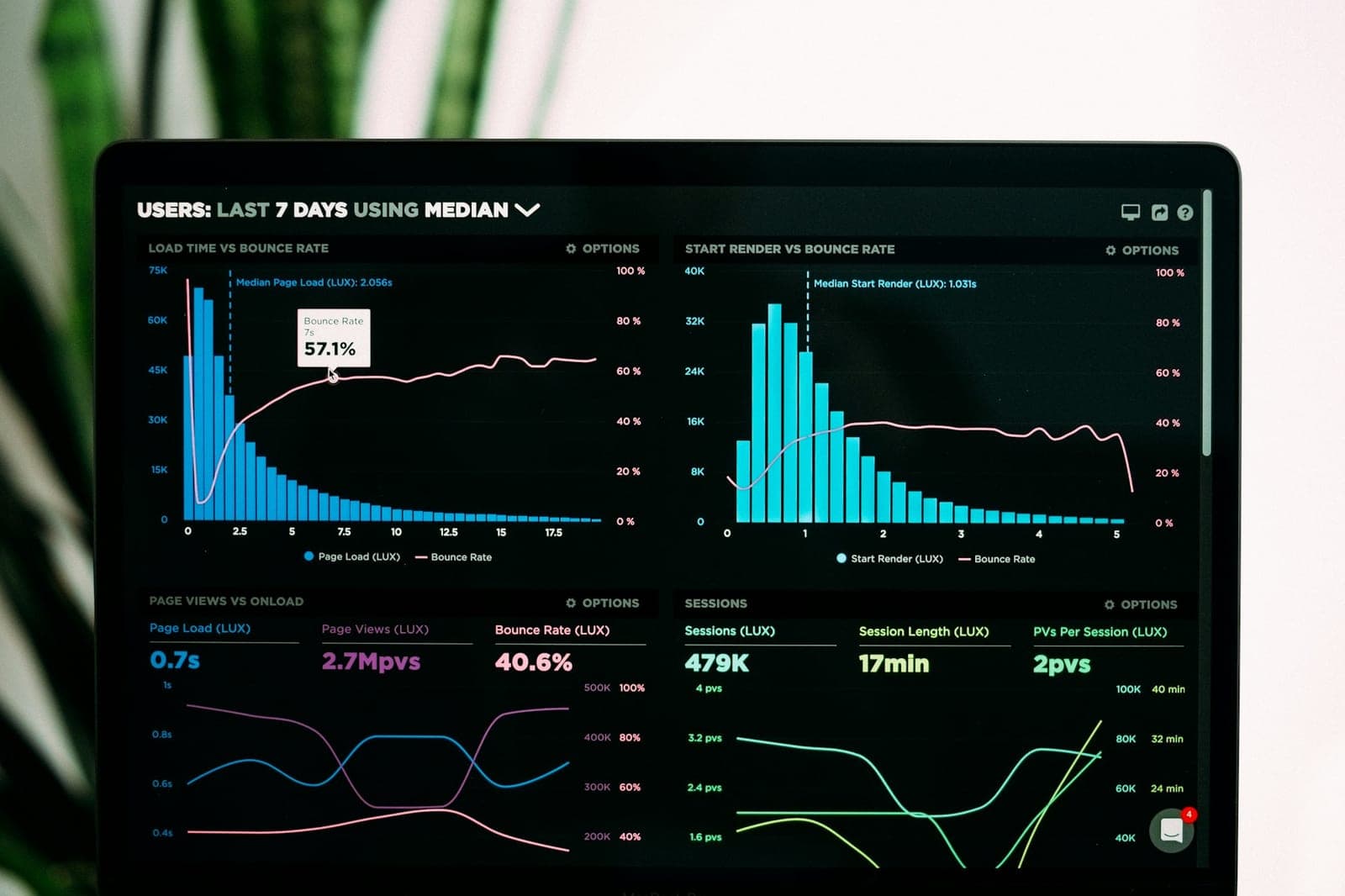
The classic. A visitor taps your link, stares at a blank screen, and gives up. Most people expect a page to appear within two or three seconds, and every second beyond that loses a share of them before they've seen anything.
The fix: run your homepage through Google's free PageSpeed Insights tool. Oversized images are the usual culprit, and compressing them is often the quickest win. There's more on this in my guide to Core Web Vitals, Google's measures of how fast and stable a page feels.
2. The contact form that goes nowhere
This one is truly chilling because you can't see it. A customer fills in your form, presses send, sees a thank-you message, and waits for a reply that never comes. Meanwhile, the enquiry has landed in a spam folder or an old inbox nobody checks.
The fix: send yourself a test enquiry once a month, from your phone, and make sure it arrives. If it doesn't, the form or the email settings behind it need attention.
3. The ghost town
A footer that says "Copyright 2019". A news page whose last post was about reopening after lockdown. Opening hours that are still showing last Christmas. To a visitor, an out-of-date website looks like a business that might have closed.
The fix: set a reminder every three months to check your hours, prices, team photos and anything with a date on it. Make the copyright year update automatically, so it never goes stale again.
4. The phone number that can't be found
If someone wants to call you, they should be able to do it in one tap. Burying your number at the bottom of the contact page, or showing it as an image that can't be tapped, turns a ready-to-buy customer into a frustrated one.
The fix: put your phone number in the header on mobile and make it a tap-to-call link. The same goes for prices: even a "from" price helps people decide whether to get in touch.
5. The jump scare
Pop-ups that appear the moment you arrive. Videos that start playing with the sound on. A cookie banner that covers half the screen. Content that jumps around as the page loads, so you tap the wrong thing. Each one makes a visitor flinch, and some won't stick around for the next.
The fix: delay any pop-ups until someone has scrolled or spent some time on the page, never autoplay sound, and make sure images and embeds have space reserved for them so the layout stays put.
6. The haunted mobile site
Tiny text you have to pinch to read. Buttons so close together you hit two at once. Menus that won't open. Most local searches now happen on phones, so if your site was designed for a desktop screen and only checked on mobile as an afterthought, most of your visitors are getting the worst version of it.
The fix: spend ten minutes using your own site on your phone as if you were a customer. Try to find a service, check a price and get in touch. Every moment of friction you notice is one your customers feel too.
7. The eerie silence
No reviews, no testimonials, no examples of your work. When a visitor can't find any sign that other people have used you and been happy, they start to wonder why. Silence is unsettling.
The fix: ask happy customers for Google reviews and show a few of them on your site, alongside photos of real work. For a local business, reviews on your Google Business Profile (the listing that appears in Google Maps) also help you show up in local searches.
Why these horrors matter
Each of these on its own might cost you only the occasional customer. Together, they can quietly turn a website from your best salesperson into the reason people choose someone else. The frustrating part is that you'll rarely see it happening. You'll just see fewer enquiries than your traffic suggests you should be getting.
The good news is that every one of them can be fixed, most of them quickly. A website that loads fast, works on a phone, looks current and makes it easy to get in touch doesn't need to be fancy to win business. It just needs to stop scaring people off.
If you're a business in Cardiff or South Wales and you suspect your site has a few skeletons in the cupboard, take a look at web design in Cardiff, or get in touch and I'll tell you honestly what's worth fixing first.

 5 min read